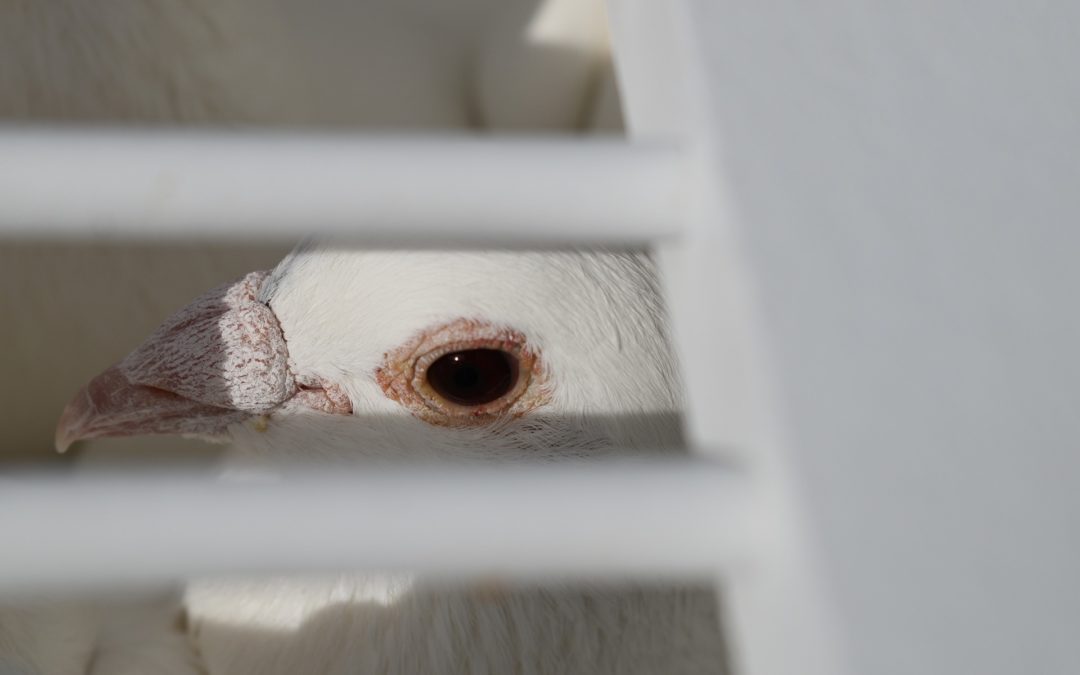
Your weekly poem: CAGED BIRD—or the world of coaching in the advent of AI

Your weekly poem: CAGED BIRD—or the world of coaching in the advent of AI

🌿 A poem a day keeps the blues away… 

I’ve just come out of an Association for Coaching AI Virtual café session that left me feeling both angry and depressed… I will probably be writing an article about it at some point, but I’m not ready yet. What I can offer you today is raw. And then I remembered Angelou’s poem.

So, I’m offering you her poem as a way to express how I feel right now towards the coaching profession in general, and AI coaching agents specifically.


CAGED BIRD

🌻 A free bird leaps
on the back of the wind
and floats downstream
till the current ends
and dips his wing
in the orange sun rays
and dares to claim the sky.

But a bird that stalks
down his narrow cage
can seldom see through
his bars of rage
his wings are clipped and
his feet are tied
so he opens his throat to sing.

The caged bird sings
with a fearful trill
of things unknown
but longed for still
and his tune is heard
on the distant hill
for the caged bird
sings of freedom.

The free bird thinks of another breeze
and the trade winds soft through the sighing trees
and the fat worms waiting on a dawn bright lawn
and he names the sky his own.

But a caged bird stands on the grave of dreams
his shadow shouts on a nightmare scream
his wings are clipped and his feet are tied
so he opens his throat to sing.

The caged bird sings
with a fearful trill
of things unknown
but longed for still
and his tune is heard
on the distant hill
for the caged bird
sings of freedom. 🌻

—Maya Angelou


Caged…

… in the belief that simulation is as good as reality. That placing words next to each other based on statistical probability is the same as two human beings making meaning together.

… in the belief that relationship is secondary. In the reduction of relational coaching to having a “nice relationship”—as if presence were decoration, only needed at the beginning of a session.

… in the doubt of our own value, experience, and humanity—so much so—that we think AI can emulate our “knowledge”, as if we were walking encyclopaedias to be downloaded for greater effect.

… in frameworks that have reduced coaching to a set of competency boxes to be ticked—and in the ensuing illusion that if AI can tick those same boxes, it must be coaching.

… even in our own tools and techniques, as if coaching were a set of formulaic transactions, processes and structures you download—rather than a way of being you spend a lifetime developing.

… in an illusion of false promises—calling it democratisation when it’s just cost-cutting dressed up as access—creating a caste system where those with least get the least.

… in the pretence of progress—at enormous environmental cost, in a world where millions still have no reliable internet connection to access the “solution” being sold to them.

Caged …

Caged …

I have no words of wisdom or hope to offer you today… except that I REFUSE to be caged.
I did not leave my golden cage to be entrapped in a bronze one—and nor have you.

I am the free bird.
I leap on the back of the wind
and float downstream
till the current ends
and dip my wing
in the orange sun rays
and dare to claim the sky.

Who are you? And what do you dare to claim?


🦋 Happy Sunday everyone! 🦋

With love,

Dina 🫶🏽

PS: I’m speaking my truth from a relational, Gestalt-informed tradition—and I’m well aware not everyone shares this frame.

Resources:

  • This week’s song is Freedom! ’90 by George Michael
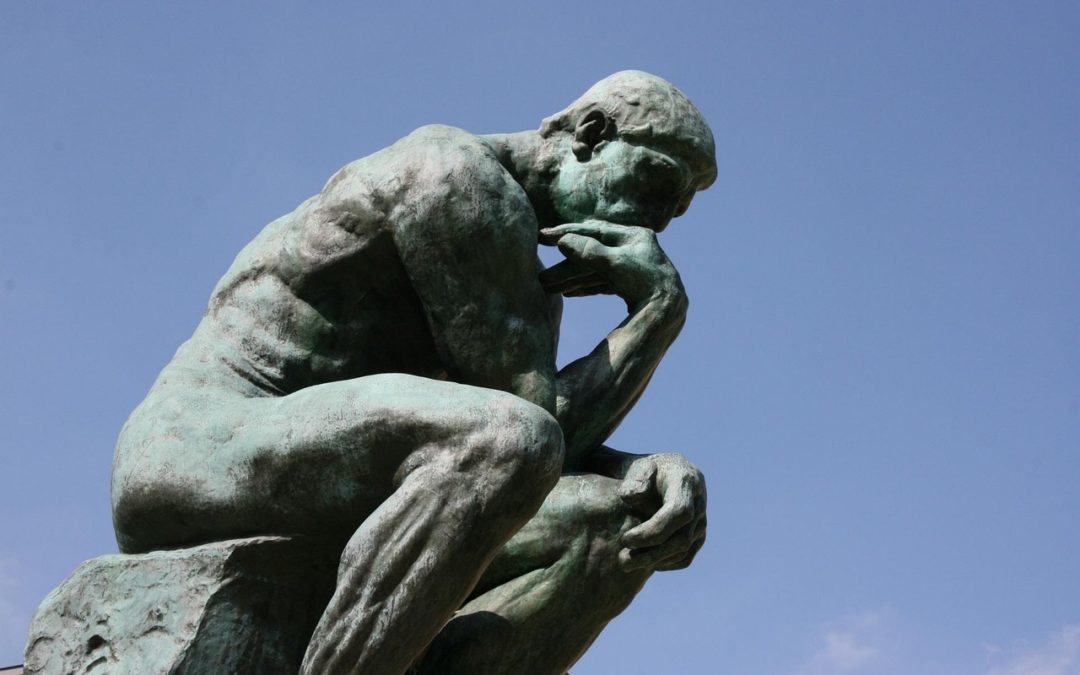
Technology, AI, and Coaching: A Call for Critical Thinking

Technology, AI, and Coaching: A Call for Critical Thinking

I recently wrote such a long comment on a colleague’s LinkedIn post about AI in Coaching that I thought I might just as well turn it into a blog post…

I often read statements like: “AI technology is reinventing coaching, so coaches, reinvent yourselves!” Or: “The AI revolution in coaching is inevitable, so embrace it or become obsolete!”

These types of statements, while excellent as a LinkedIn hook, only encourage fear-driven action as opposed to reflective action.

While AI technology may indeed be attempting to “reinvent coaching”, this is not something I believe we should automatically embrace, nor frame as an imperative for us coaches to “reinvent ourselves to keep up”. It is something to be critically examined, questioned, and in many instances resisted.

I struggle to understand how we can so readily embrace a technology that, in effect, invites a collective sense of psychosis—

entertaining the idea of a coaching or therapeutic relationship with a machine. And, what does that imply about how we view our profession? Is coaching so mechanistic and performative at heart that we genuinely believe a machine can meaningfully replicate it?

Then I see studies being quoted that an “AI coach” passed ICF’s ACC competencies—ergo, it must be great! No. Assuming the research was conducted properly, its results say much more about the obsolete concept of competencies and accreditation models in our profession than they do about the efficacy of AI as a “coach”.

Even claims that AI can “help”, “augment”, or “democratise” coaching often collapse when placed under the microscope of a critical mind.

And what about those ethical questions of: confidentiality? informed consent? the opacity of these models—from how they are trained to where data is stored to what is ultimately done with that data?

As for the “democratisation”, many of these “specialised” AI coaching models lie behind a paywall anyway, and/or offer sub-par, make-shift coaching tools to the “little people” while the “big people” continue to receive human coaching. And while we like to think that internet access is universal—wake-up call: it is not.

At the heart of coaching is a relationship between two human beings. Everything else is mirage—sand dust and fairy tales—sold largely by organisations whose primary incentive is commercial, not psychological or relational wellbeing.

As for the so-called technological “revolution,” I am yet to see evidence that justifies the term.

Much of what is labelled AI is neither intelligent nor revolutionary. These tools can research, edit, summarise, translate, and more—but only when guided by users who already know what they are doing. Without that expertise, they often produce confident-sounding nonsense. I recently asked ChatGPT to reduce a post I’d written by 74 characters (yes, I was that lazy that morning), and it literally couldn’t do it. That’s not transformation; it’s a farce.

There is also an unresolved paradox here. As a profession that speaks about responsibility, sustainability, and wellbeing, how do we reconcile these values with the environmental and social costs of pursuing AI-driven fantasies that deliver, at best, marginal gains?

To be clear, this is not an anti-technology or anti-progress position. It is a call for responsibility and depth.

We need far more rigorous, interdisciplinary debate—bringing together practitioners, clients, psychologists, sociologists, linguists, philosophers, and more—before we declare this a revolution or rush to adapt ourselves around it. And we would do well to pay attention to the “canaries in the mine”, and we already have enough of them signalling that something seriously dangerous may be in the making.

This is why I very much appreciate and value voices like Tatiana Bachkirova, Laurence Barrett , and others in this context who continue to challenge existing narratives rather than simply amplify them.

Now, having ended my rant, I want to turn it over to you:

If we are serious about the future of coaching, then disagreement, critique, and rigorous debate are not obstacles to progress but a precondition.

I look forward to hearing perspectives that challenge, refine, or complicate this view, provided we are willing to think together rather than simply repeat some prevailing pre-chewed narrative that we willingly swallow whole..

Recommended resources:Â